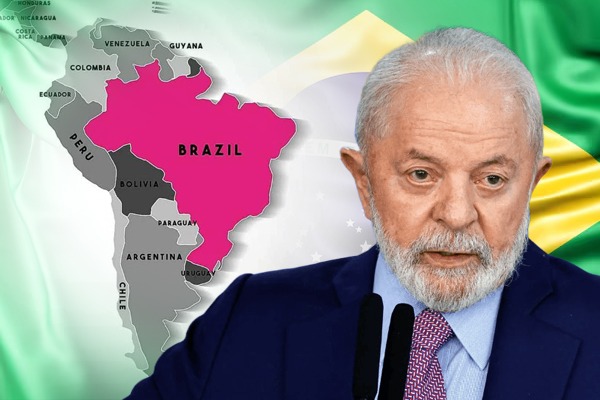
To grasp the political situation of Brazil, one must consider Trump’s new offensive across the continent. His election marked a new phase in the relationship between US imperialism and Latin American nations. Now, under the leadership of the far-right Trump and his circle of billionaires, imperialism seeks to impose a new form of colonisation, specifically targeting countries in the Global South.
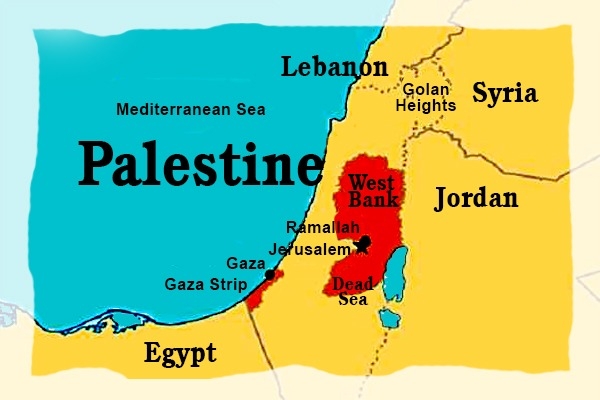
On one hand, this neocolonial frenzy is exemplified by the extreme right’s actions in Gaza; on the other, Trump aims to counter China’s expansion, which is increasingly asserting itself in the world market with or without the BRICS nations.
Trump initiated a multi-faceted assault on Latin America. This includes the tariff war, a declaration against Panama, the targeting of immigrants within the United States – most of whom are of Latin American descent – and the recent actions against Venezuela that shocked the world.
The relationship between Brazil and these contradictions, as well as the essential resistance to Trump and his neocolonial strategies, forms the core of the discussion.
The Central Dispute in Brazil:
Brazil is currently grappling with deep social and political divisions that mirror broader global tensions.
The far right has pursued a coup agenda which was revealed through exposed plans and the attempted “Brazilian-style Capitol riot” on January 8, 2023. Secondly, Deforestation, agribusiness expansion, and extractivism continue to devastate ecosystems, posing a threat not only to Brazil but to the planet as a whole.
Far right is seeking alignment with Trump. It hopes to regain power in 2026 despite Bolsonaro’s conviction. Its strategy leans on the narrative of narco-terrorism to justify harsher security measures, exemplified by the recent massacre in Rio de Janeiro.
The present government is positioned as a barrier to coup plotters. It attempts to balance resistance to imperialist pressures with advancing social reforms, such as reducing working hours. Yet its reliance on class conciliation exposes its limitations, leaving it unable to fully confront the far right or present itself as a credible alternative at COP-30, where environmental issues dominate.
Brazil’s turmoil is part of a wider international trend of polarization. Mamdani’s victory in New York reflects this dynamic, as does the rise of Trumpist parties across Europe’s four largest nations. Liberal democracies are under strain, and the far right is exploiting the crisis to expand its influence.
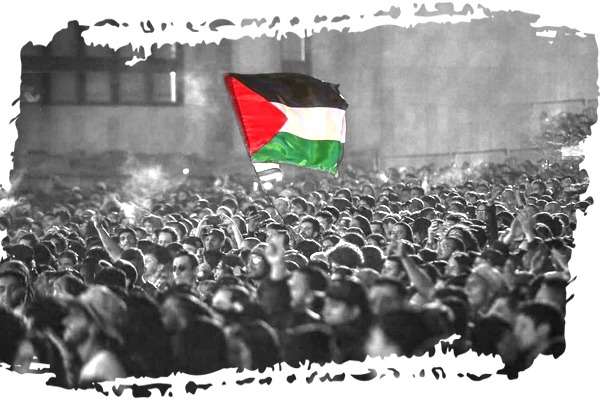
In contrast, resistance movements are gaining momentum. Italy’s back to back general strikes in solidarity with Palestine offered a powerful internationalist example. Similar energy is visible in European workers’ mobilizations, the Sumud Flotilla, Greta Thunberg’s climate activism, Gustavo Petro’s denunciations of imperialism, and the uprisings led by Generation Z.
Three Contradictions in the National Situation:
The national situation is currently characterised by preparations for the 2026 election, during which the presidency, as well as the national and regional chambers and parliaments, will be renewed along with the governments of the country’s 27 states. However, this prelude to the electoral process intertwines various crises and tensions that highlight Brazil’s structural contradictions. In the immediate context, we can summarise that there are three significant tensions at play:
a) The political contest against Bolsonarism, the imprisonment of the coup plotters, and relations with Trump
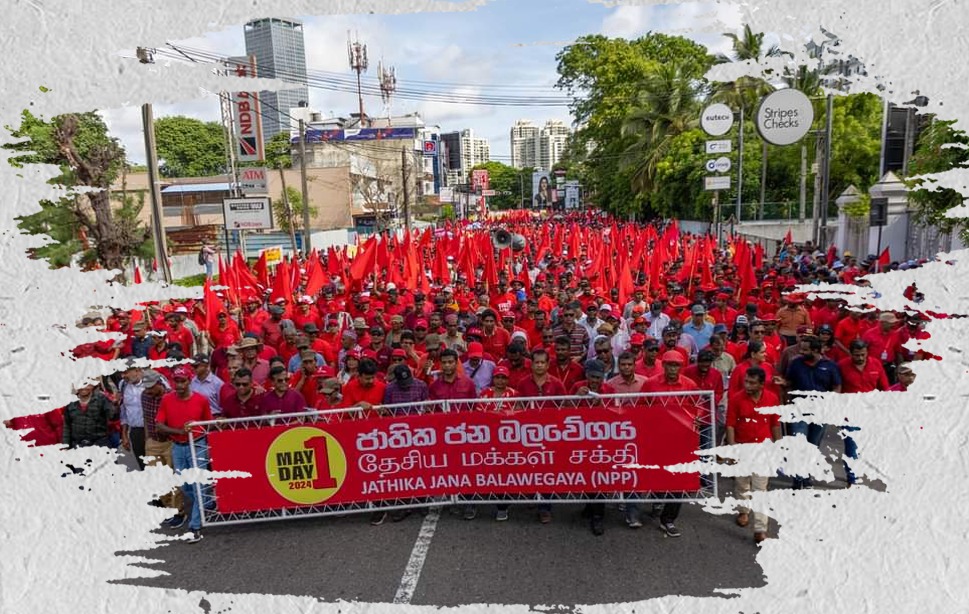
The demonstration on 21 September, which gathered over half a million people across hundreds of cities in Brazil, voiced outrage against the PEC da Blindagem (Shielding Constitutional Amendment) and revealed considerable reservations within the mass movement, reigniting the offensive in the streets that had previously been focused solely on Bolsonarism. This was a welcome and encouraging development. Its impact in parliament altered the agenda and provided a social foundation for the Supreme Court’s positions, advancing the issue of amnesty and effectively burying the Shield Constitutional Amendment (for context, this was a bill that sanctioned impunity of parliamentarians, promoted by the right to grant amnesty to coup plotters).
The government regained ground and popularity, influenced by a complex web of factors, from immediate electoral interests to fluctuations on the international stage, not to mention the prevailing mood on the streets. It was this atmosphere that resonated strongly in the protests against the PEC da Blindagem (Constitutional Amendment Proposal) and the attempts to manoeuvre for amnesty.
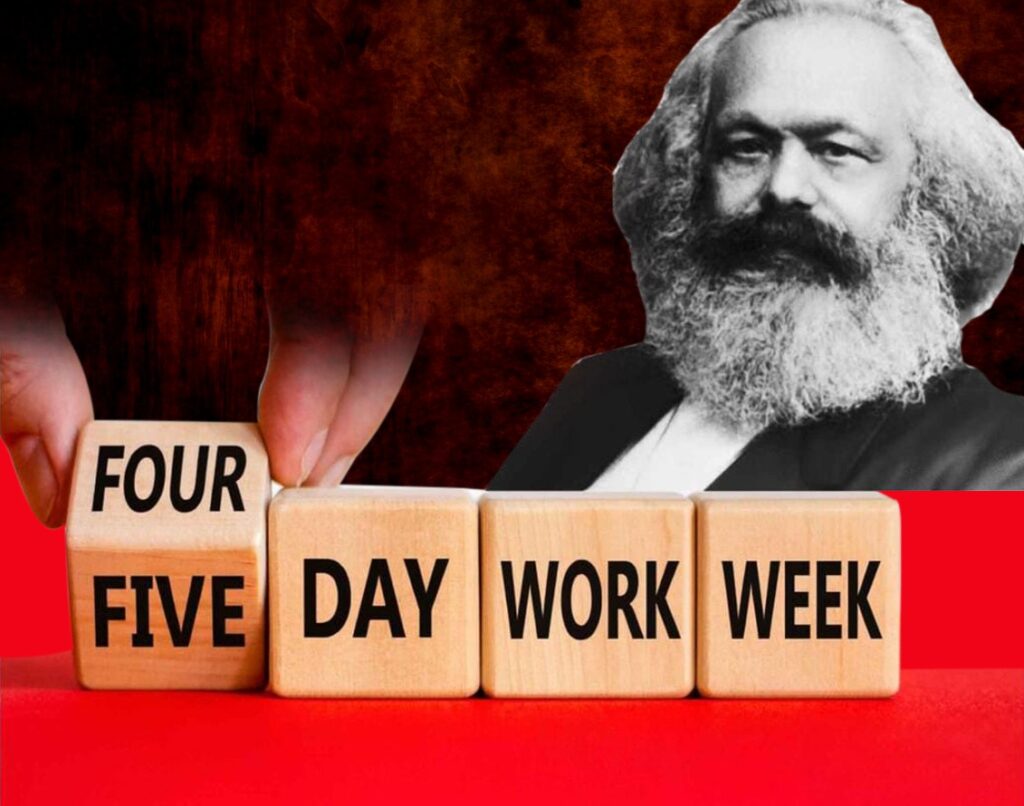
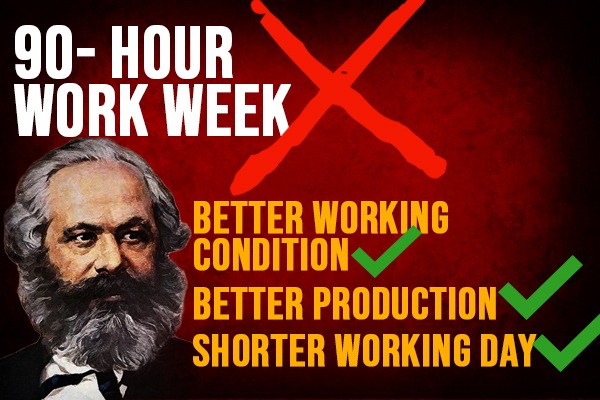
In light of this situation, the government also enhanced its popularity by advocating for issues such as the taxation of large fortunes and the campaign to replace the 6×1 scale with 5×2 scale or 4×3 scale (which refers to the reduction of the working week).
On the defensive, the far right sought to reposition itself around the public security agenda, mirroring strategies already employed in various countries, such as Ecuador and El Salvador, where Bukele serves as a model for intensifying internal repression and appealing to the most regressive sectors of the population.
b) Public Security Discourse and the Genocide of Black Youth in Favelas and Peripheries
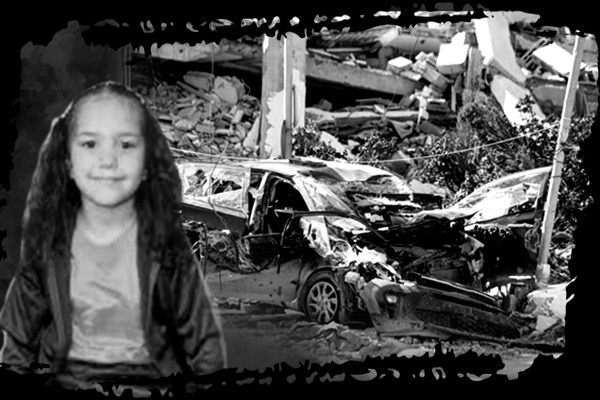
In the early hours of Tuesday, October 28, police forces under Governor Cláudio Castro carried out the deadliest military operation in Brazil’s history. What unfolded was not merely an incursion but a massacre, with at least 128 reported deaths – numbers that are likely still undercounted.
This atrocity constitutes a state crime, a brutal act that perpetuates the cycle of violence embedded in the so‑called “war on drugs.” For decades, this policy has engulfed Rio’s hills and favelas, trapping working-class communities in the crossfire between state forces, militias, and drug traffickers. The death toll now exceeds that of the infamous Carandiru massacre in São Paulo during the 1990s.
The United Nations condemned the operation as a barbaric crime. Castro’s direct command of the raid appears driven by a pursuit of media visibility and political prestige, achieved at the expense of human lives and through the manipulation of public narratives. The invocation of “narco-terrorism” is particularly alarming, as it aligns with far-right strategies reminiscent of Trump-era tactics—designed to destabilize Venezuela, Colombia and others militarily and politically.
In response, Black and peripheral movements have mobilized, demanding a forceful reaction from society. Their call is for protests and collective action aimed at ending the massacres and dismantling the structures of violence that target marginalized populations.
c) COP-30: Mobilisation and the Limits of Green Capitalism
COP-30 opens against the backdrop of Brazil’s recent approval of oil exploration in the Amazon estuary—a decision that starkly contradicts the carbon reduction commitments established under the Paris Agreement of 2015. COP President André Corrêa do Lago has acknowledged a shift in focus: rather than mitigating emissions, the priority has become adapting to climate change. This shift signals both the fossil fuel industry’s entrenched power and an admission that critical ecological tipping points have already been reached or are imminent.
The Brazilian government’s limitations are further revealed in its support for the Tropical Forest Forever Fund (TFFF), a mechanism that seeks to combat deforestation through the financialisation of protected forests. While framed as a solution, this approach underscores the contradictions of “green capitalism,” where market instruments are deployed in place of structural environmental action.
Thus, COP-30 reflects Brazil’s national reality: a government caught between rhetorical commitments to sustainability and the pressures of extractivist interests. At the same time, the conference highlights the urgent need to confront both climate denialism and the violence propagated by the extreme right, which remain formidable obstacles to genuine ecological transformation.
Conclusion:
The Brazilian government is reintroducing the Tropical Forests Forever Fund (TFFF) as a significant initiative, initially proposed at the G20 in 2022. The TFFF embodies the principles of green capitalism by financializing the preservation of tropical forests, viewing them as integral to capitalist accumulation, to which market attention must be directed. Furthermore, the National Privatisation Program (PND) encompasses over 3,000 kilometres of navigable stretches of the Tocantins, Madeira, and Tapajós rivers— a development that traditional communities have already opposed. These issues are in direct conflict with the government’s stance.
In this complex context, the role of socialists within the PSOL, is to take the lead in confrontations with the far right while maintaining an independent and combative stance towards the government.
Defending government programmes such as the reduction of working hours, the immediate taxation of billionaires, the non-exploitation of oil in the Amazon Estuary, and the cessation of the so-called “War on Drugs” serves as a transitional measure towards a broader solution. This involves progressing in the fight against financial capital and advocating for eco-socialism, which are essential to secure a social majority.